Get back to feeling like yourself
Acupuncture for Pain Relief in Charleston
If you’re struggling with acute or chronic pain, recurring tension, or injury-related discomfort, acupuncture offers a safe, natural solution. At our Charleston acupuncture clinic, we help patients reduce pain, decrease inflammation, and restore mobility — without relying solely on medication. Schedule your visit with us today!
How Acupuncture Helps Pain
Acupuncture stimulates specific points on the body to:
Release endorphins (natural pain-relieving chemicals)
Reduce inflammation
Improve circulation to injured tissues
Relax tight muscles and fascia
Calm overactive pain signals in the brain and spinal cord
Support the body’s natural healing response
This makes acupuncture effective for both acute injuries and long-standing chronic pain conditions.
Conditions We Treat
Acupuncture can help with:
Low back pain and sciatica
Neck and shoulder tension
Headaches and migraines
Arthritis and joint pain
TMJ pain
Sports injuries
Fibromyalgia
Post-surgical recovery
If you’re looking for natural pain management in Charleston, acupuncture is an excellent option.
What to Expect
Each treatment is personalized to your specific pain pattern and health history. Many patients feel relief within the first one to three sessions, with continued improvement over a treatment plan tailored to your needs.
Acupuncture is drug-free, minimally invasive, and works well alongside physical therapy, chiropractic care, or medical treatment.
Ready to Feel Better?
You don’t have to live in pain.
Schedule your acupuncture appointment in Charleston today and take the first step toward lasting relief.
Cupping Therapy for Pain
Cupping therapy is a powerful addition to acupuncture for pain relief in Charleston. By creating gentle suction on the skin, cupping increases circulation, reduces inflammation, and helps release tight muscles and restricted fascia that contribute to discomfort. This decompression effect promotes faster healing, improves mobility, and calms chronic tension patterns. Cupping therapy can be especially helpful for back pain, neck and shoulder tension, sciatica, sports injuries, and chronic tightness, offering a natural, effective option for pain relief in Charleston. It is also an excellent aid for removing phlegm from the lungs.
Note: Most people find cupping enjoyable, but if it is ever uncomfortably tight for you, please let your practitioner know so she can lessen the pressure.
Gua Sha for Pain
Gua sha is a therapeutic technique often used during acupuncture treatments at our Charleston clinic to relieve pain and reduce muscle tension. Using a smooth tool to gently glide along the skin, gua sha increases circulation, breaks up fascial restrictions, and helps decrease inflammation in tight or injured areas. This improves mobility, speeds recovery, and supports the body’s natural healing response. Gua sha can be especially effective for neck and shoulder tension, back pain, headaches, TMJ, and chronic tightness, offering a natural option for pain relief in Charleston.
Heat Therapy for Pain Relief
Moxibustion and Infrared Heat Lamps warm areas that have constricted due to cold, enhance circulation to nerves, and relax areas of pain. For moxa application, we use the dried form of the herb mugwort to open the channels, invigorate the area, boost qi (energy, metabolic systems) and ease pain.
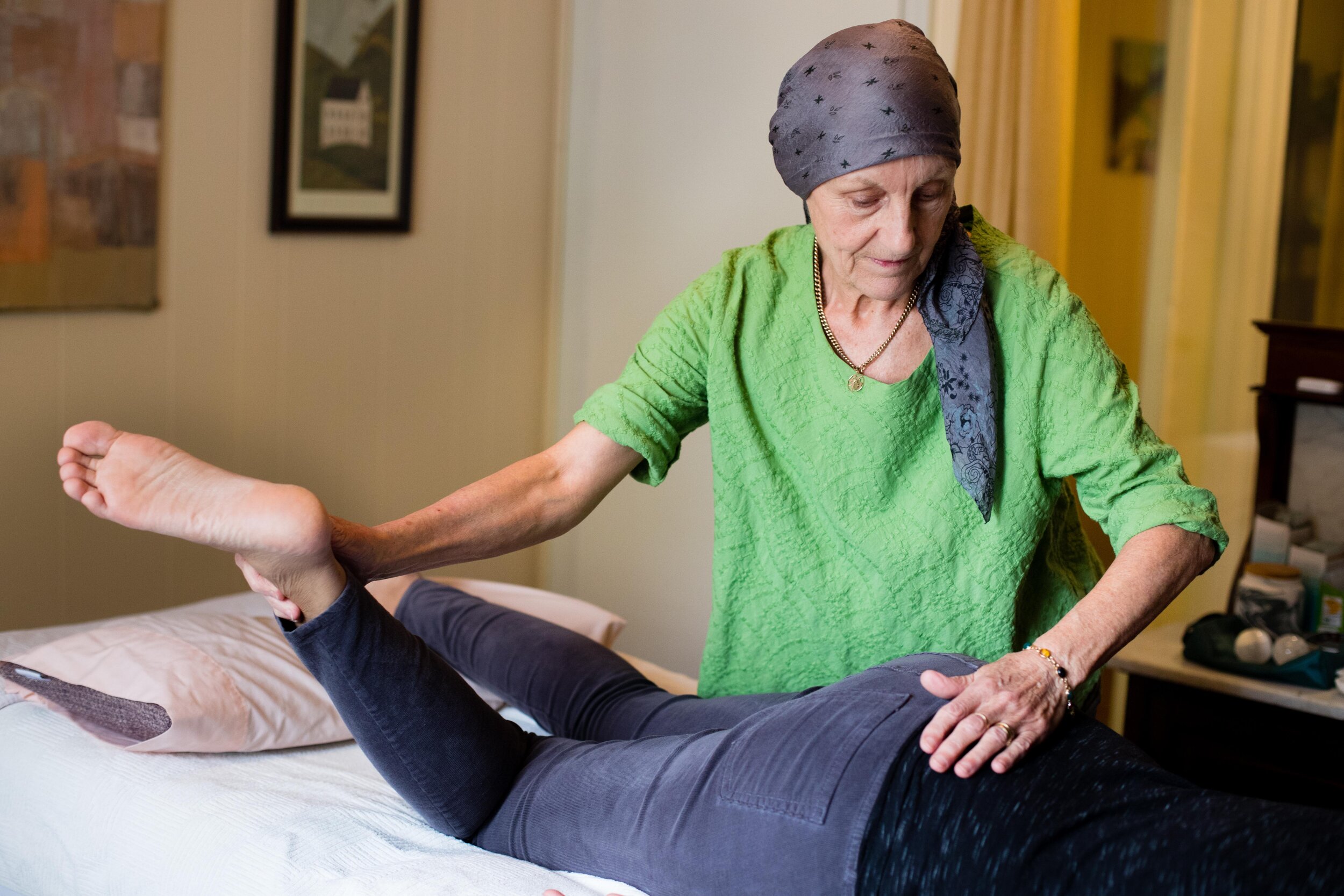
Neurostructural Integration Technique for Pain Relief in Charleston
If you’re struggling with chronic pain, muscle tension, or recurring injuries, Neurostructural Integration Technique (NST) offers a gentle, effective solution. This specialized soft tissue therapy works with the nervous system to reduce pain, improve mobility, and restore structural balance — without forceful manipulation.
How NST Helps Chronic Pain
NST uses precise, targeted movements across muscles and connective tissue to help:
Release tight muscles and fascia
Calm overactive pain signals
Reduce inflammation
Improve posture and alignment
Restore healthy movement patterns
By addressing both the muscular and neurological components of pain, NST helps interrupt chronic pain cycles and supports long-term relief.
Conditions Treated with NST
Neurostructural Integration Technique can help with:
Low back pain
Neck and shoulder tension
Sciatica
Headaches and migraines
TMJ dysfunction
Hip and pelvic pain
Sports and repetitive strain injuries
If you’re looking for natural pain relief in Charleston, NST may be an excellent option — especially if other treatments haven’t provided lasting results.
Acupuncture for Pain: Frequently Asked Questions
1. How does acupuncture relieve pain?
Acupuncture works by stimulating specific points on the body, often located along pathways known as meridians. Modern research shows that needling these points helps:
Increase blood flow and circulation to injured or inflamed areas
Reduce inflammation and swelling
Relax tight muscles and release trigger points
Stimulate the nervous system to release endorphins and serotonin, the body’s natural painkillers
Balance the communication between the brain and body to support long-term healing
Rather than simply masking pain, acupuncture helps address the underlying imbalance that is contributing to your discomfort.
2. What kinds of pain can acupuncture help with?
Acupuncture has been shown to help with a wide range of acute and chronic pain conditions, including but not limited to:
Back and neck pain
Headaches and migraines
Joint pain and arthritis
Sciatica and nerve pain
Shoulder, elbow, and wrist pain (including carpal tunnel)
Sports injuries and muscle strains
Fibromyalgia and widespread chronic pain
Post-surgical recovery and scar pain
Many patients also turn to acupuncture when conventional approaches (like pain medication or physical therapy) haven’t provided enough relief.
3. How many acupuncture treatments will I need?
This depends on the nature of your pain.
Acute pain (like a recent injury or muscle strain) often improves within 1-3 treatments.
Chronic pain (such as arthritis, long-term back pain, or migraines) may require more consistent care over several weeks or months. We recommend trying at least 3 weekly sessions to see if you begin to experience improvement. Your feedback helps us decide on future treatments, and we use a variety of meridian systems and forms of bodywork, so we have many possibilities, depending on how you respond to your first sessions.
Your acupuncturist will create a personalized treatment plan based on your health history, the severity of your condition, and your wellness goals. Most patients notice some relief within the first few sessions, with improvements building over time.
👉 Ready to start? Schedule your first visit.
4. Is acupuncture safe for pain treatment?
Yes. When performed by a licensed acupuncturist, acupuncture is considered very safe. At our clinic, we use sterile, single-use needles and follow all safety guidelines. Side effects are rare and generally very mild—such as slight soreness, a small bruise, or temporary fatigue after a session.
Because acupuncture is drug-free, it also avoids the risks of long-term medication use, such as dependency, digestive upset, or organ stress.
👉 Start your healing journey with your first treatment.
5. Will acupuncture hurt?
This is one of the most common questions! Acupuncture needles are extremely thin—about the diameter of a human hair—so the insertion feels nothing like a typical medical injection. Patients may feel:
A quick, tiny pinch as the needle is inserted
A dull ache, tingling, or warm sensation around the point (called “qi sensation”)
Deep relaxation once the needles are in place
Many patients even fall asleep during their sessions because the treatment is so calming.
👉 Check out our general FAQs for more common questions.
6. How soon will I feel results?
This varies from person to person:
Some notice immediate relief after their first treatment.
Others feel gradual improvements over several sessions.
Chronic pain often requires consistency—just as physical therapy or exercise works best with repetition. Even when pain takes time to resolve, many patients notice fewer symptoms, better sleep, reduced stress, and an overall sense of well-being early in their treatment process.
👉 Meet our licensed practitioners here.
7. Can acupuncture be combined with other treatments?
Absolutely. Acupuncture works well as part of an integrative care plan. Many patients combine it with:
Physical therapy
Chiropractic care
Massage therapy
Conventional medical care
Regenerative medical treatments like platelet rich plasma and stem cell injections
Lifestyle changes such as exercise and nutrition
In fact, acupuncture may help enhance recovery, speed healing, and reduce reliance on pain medications.
8. Is acupuncture for pain covered by insurance?
Many insurance plans now cover acupuncture for pain management. While we do not accept insurance, we are happy to provide a superbill with detailed codes you can submit to your insurance company for reimbursement if they cover acupuncture.
We do gladly accept HSA and FSA cards.
9. What should I expect at my first acupuncture visit?
During your initial appointment, your acupuncturist will:
Take a detailed health history and ask about your pain symptoms.
Perform a traditional Chinese medicine assessment (which may include pulse and tongue diagnosis).
Create a customized treatment plan for your specific condition.
Your first acupuncture treatment.
Depending on your needs and time available, your practitioner may include bodywork, such as cupping, gua sha or neurostructural integration technique.
Your treatment may include essential oils to relax your nervous system and/or herbal liniments to ease pain.
Most patients spend about 20–30 minutes resting with the needles in place, often feeling deeply relaxed during and after the session.
👉 Learn what to expect on your first visit.
10. Why choose acupuncture instead of relying only on medication?
Pain medications can be helpful, but they usually work by masking pain signals rather than addressing the underlying cause. They can also come with side effects or the risk of dependency if used long-term.
Acupuncture provides a safe, natural, and holistic approach to pain relief. By improving circulation, reducing inflammation, and calming the nervous system, acupuncture not only relieves pain but also supports your body’s healing process. Many patients use it to reduce or even eliminate the need for ongoing medication.
👉 Take the first step toward lasting relief—book your acupuncture appointment today.